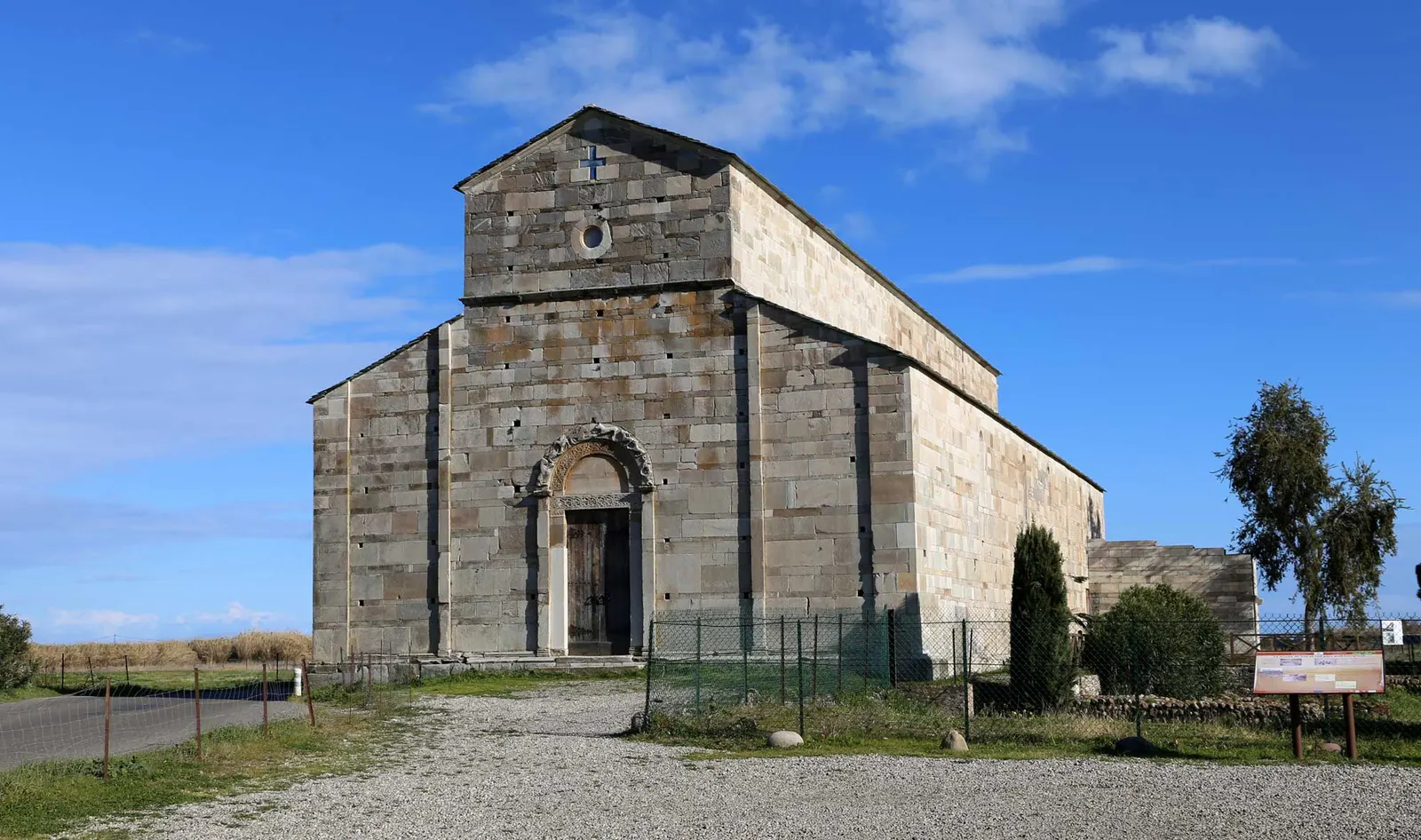
A Canonica cathedral

The story of Pierre de Brando

An exceptional mineral heritage

  1. A prestigious material since the Middle Ages

    12th century

    A prestigious material since the Middle Ages

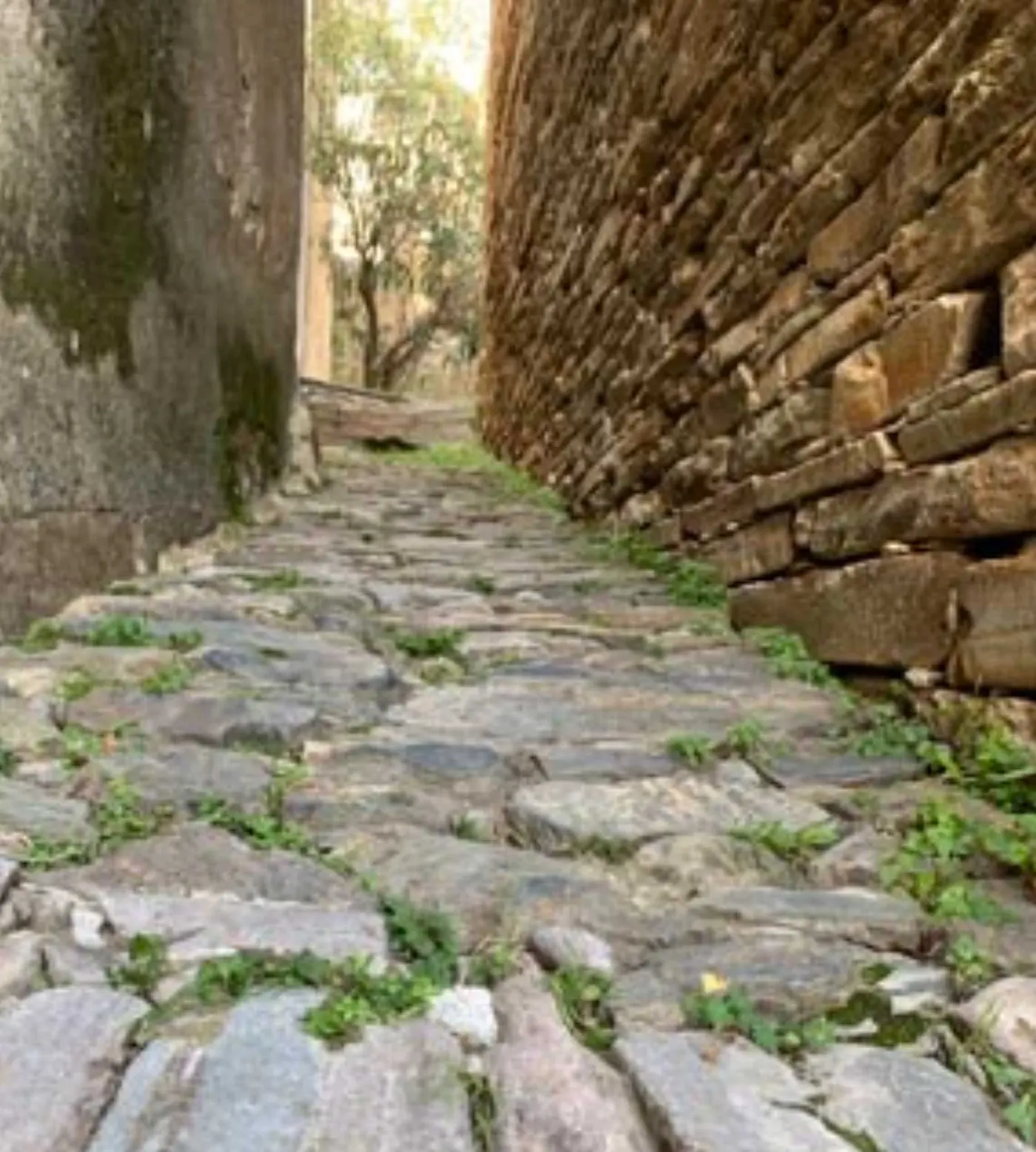
    The use of Pierre de Brando dates back to the 12th century. It was notably used to build the cathedral of Santa-Maria-Assunta in Mariana, known as the Canonica, an emblematic building of the region. Its prestige was not confined to Corsica: Antoine Claude Pasquin, known as Valery (1789-1847), writer and librarian of the Palace of Versailles, described it as a stone “more worthy of palaces and temples than of streets”. In his book Voyages en Corse, à l’île d’Elbe et en Sardaigne, he compared it to the paving of Milan, Florence and Naples, praising the singular brilliance of its hues when exposed to the rain.
  2. The golden age of quarrying

    19th century

    The golden age of quarrying

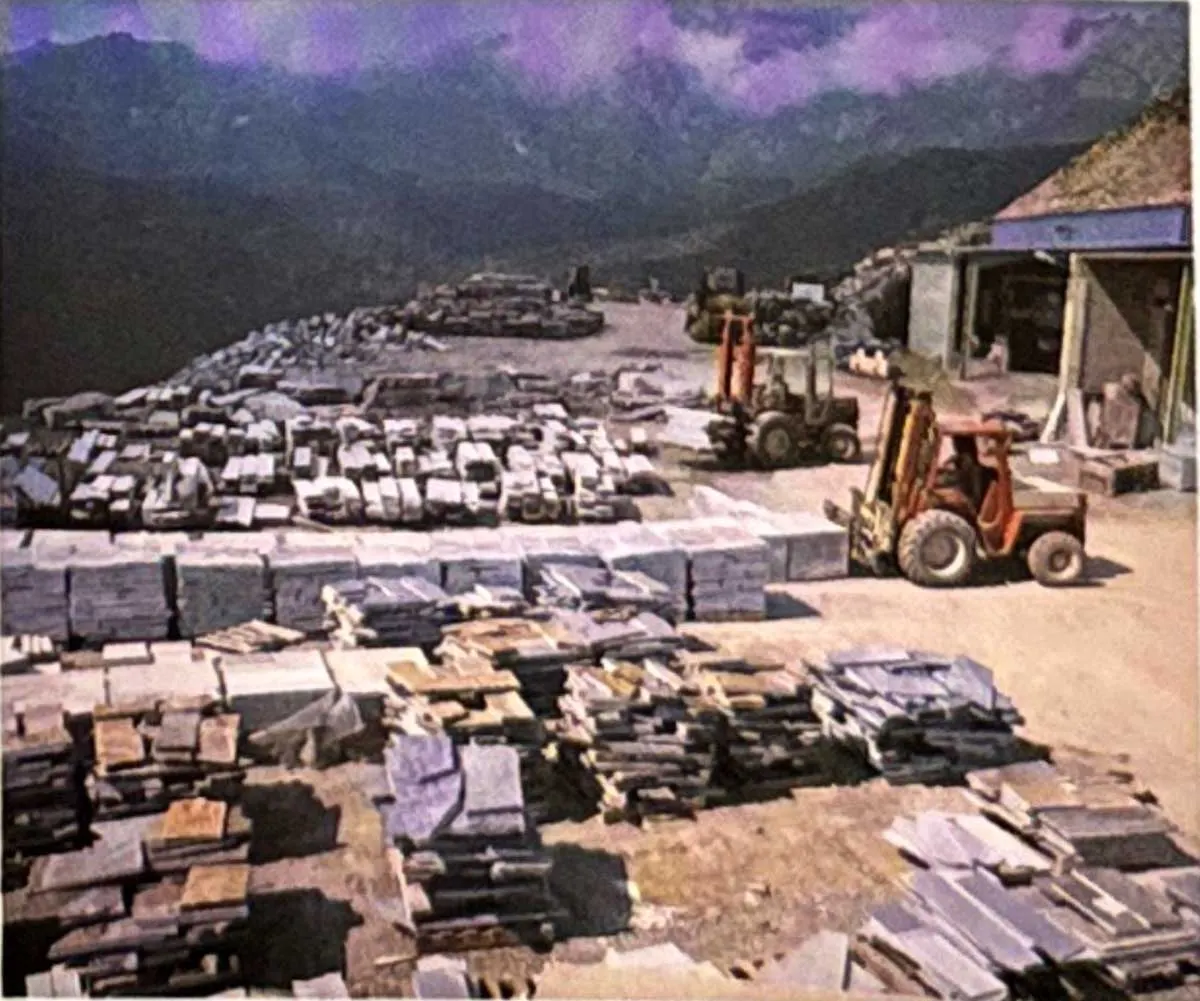
    Pierre de Brando has traditionally been extracted from open-pit quarries. Quarrying peaked in the mid-19th century, notably under the July Monarchy and the Second Empire. Demand for paving stones, slabs and marble tiles rose sharply with the major urban development projects in cities such as Bastia, and in several Mediterranean cities in France and Italy.

  3. The revival of the quarry

    20th century

    The revival of the quarry

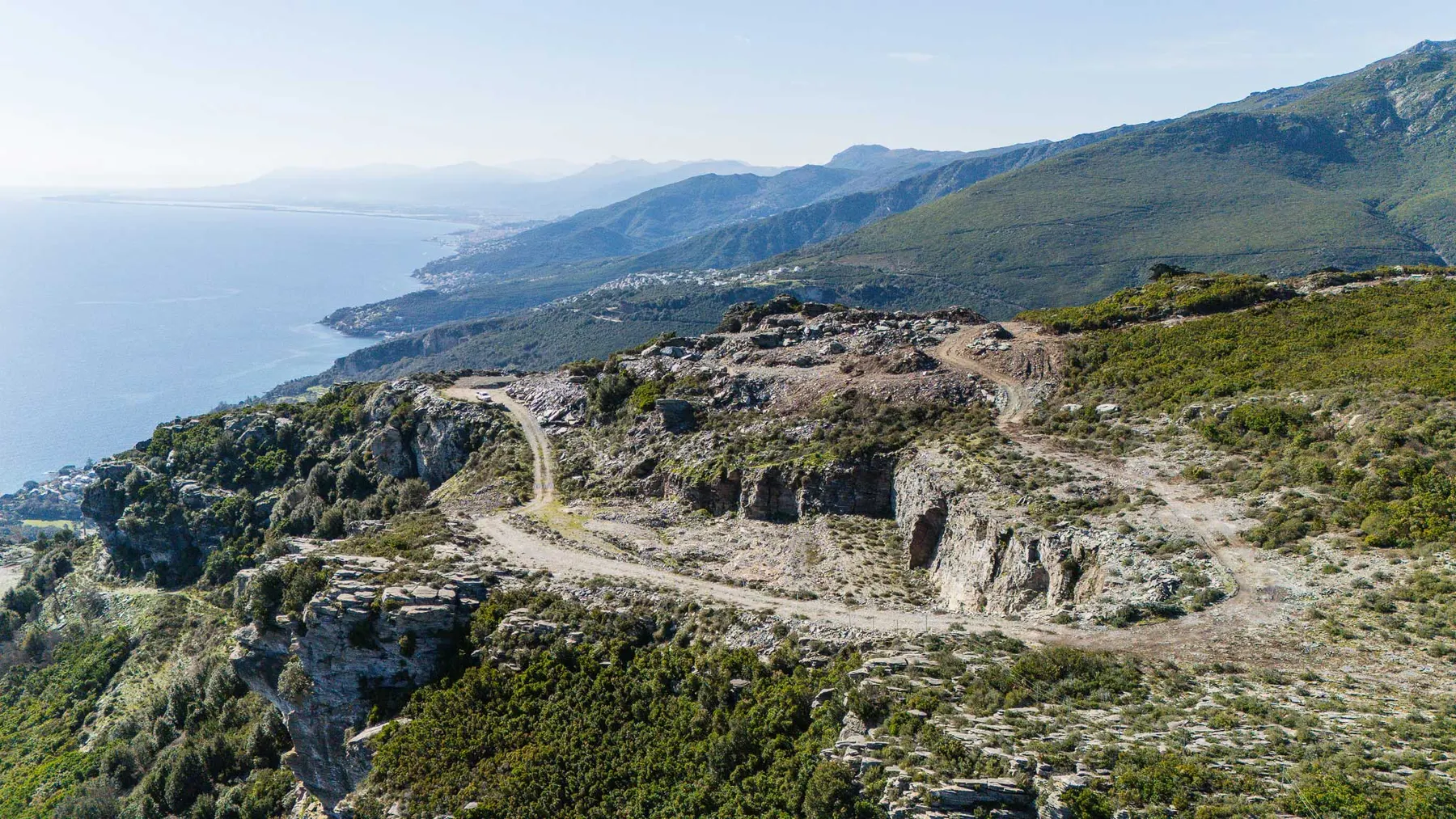
    After several decades of inactivity, Pierre de Brando found its way back to the market on the initiative of the brothers Jean and Lucien Brignoli. In the 1970s, they obtained a 30-year lease from the municipality of Brandu to work the E Petre Scritte site. Their aim was twofold: to meet local demand and to open up to export, despite growing competition from South America, Asia and Eastern Europe.

    In the 1990s, their company, the Société de Construction du Cap, reached an annual output of 140,000 tonnes and employed up to 40 people. This revival brought an ancestral industry back to life, while modernising extraction and processing techniques.

  4. A new era

    2025

    A new era

    Today, the quarry has been taken over by the Groupe Brandizi, securing the future of this emblematic stone. The Brignoli family continues to work in the trade with the company Casapierre, carrying on ancestral know-how and a tradition of quality.

Interested in our products?