01
Santa Giulia
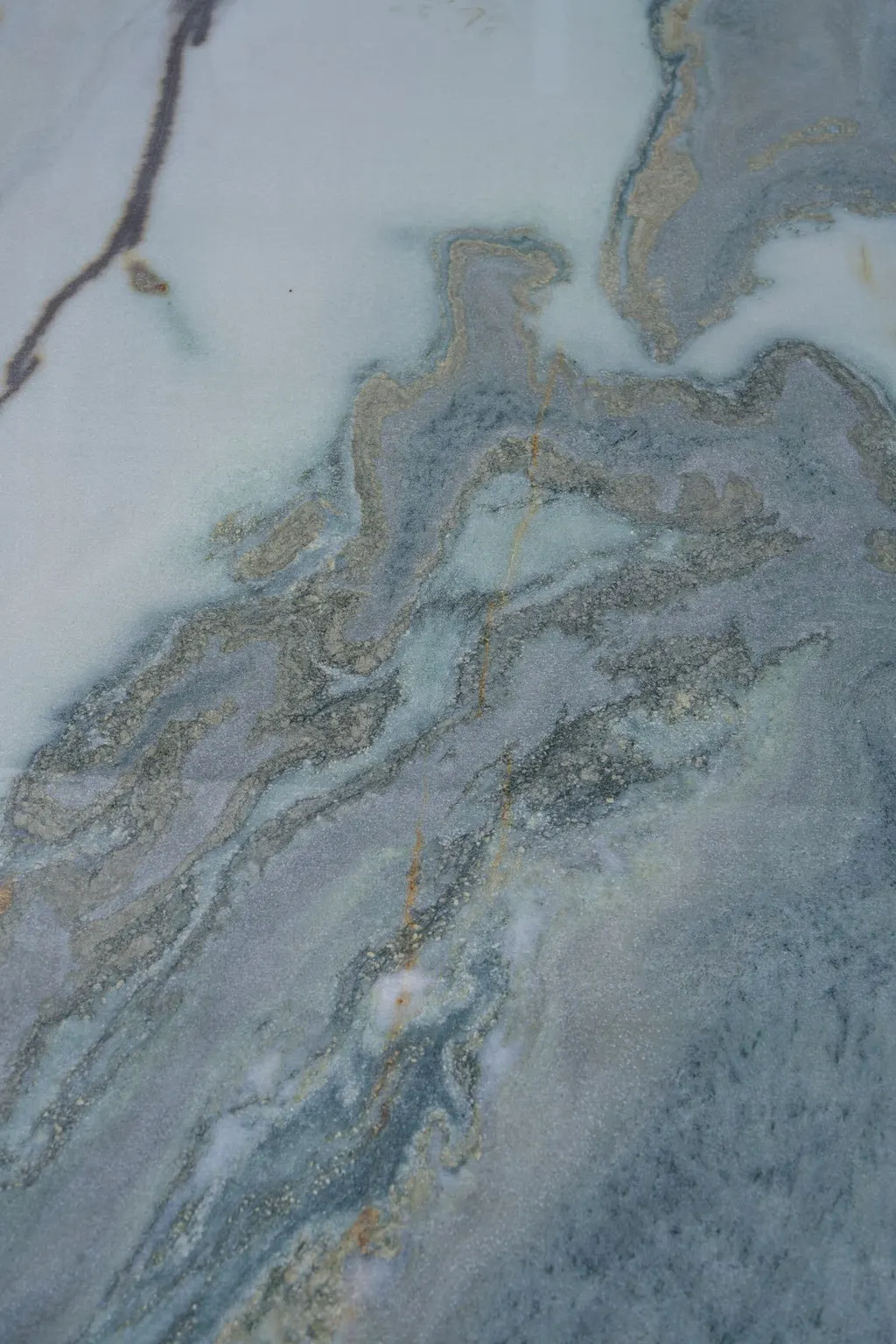
Exceptional marble. Raw slabs, polished slabs, blocks for cutting.
Quotation · 1837
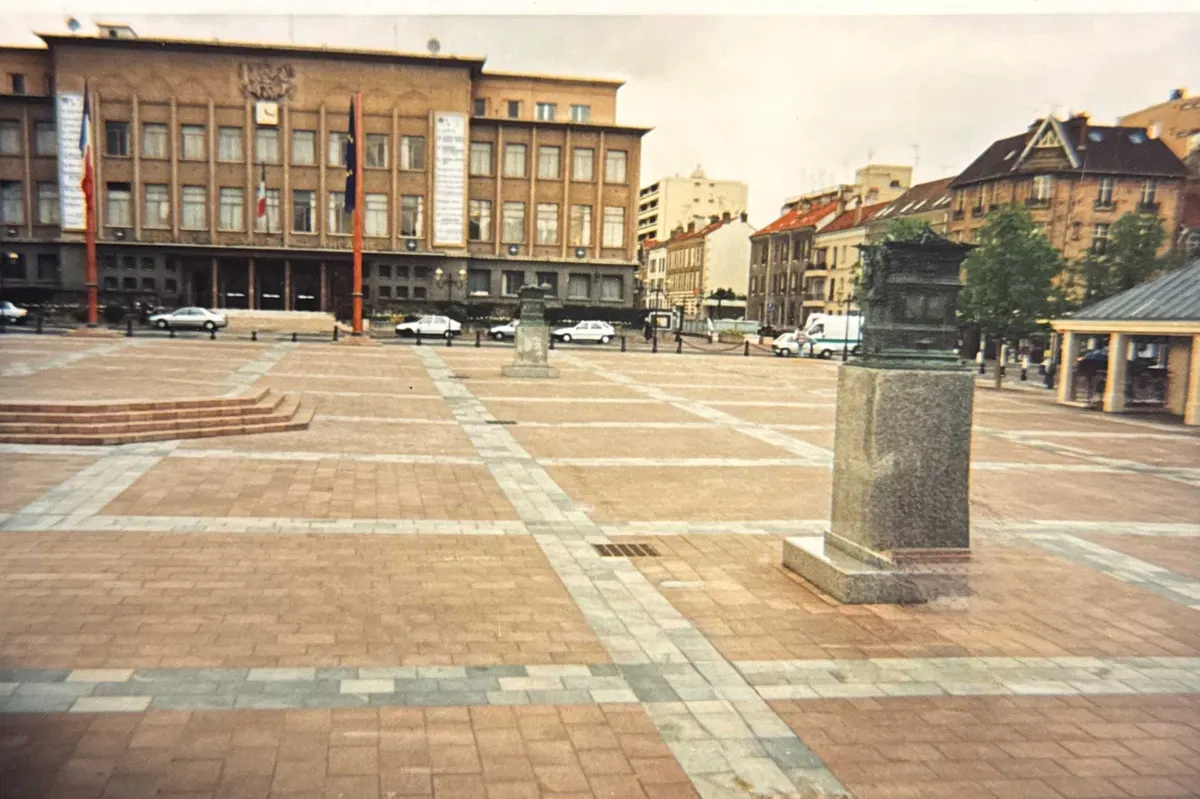
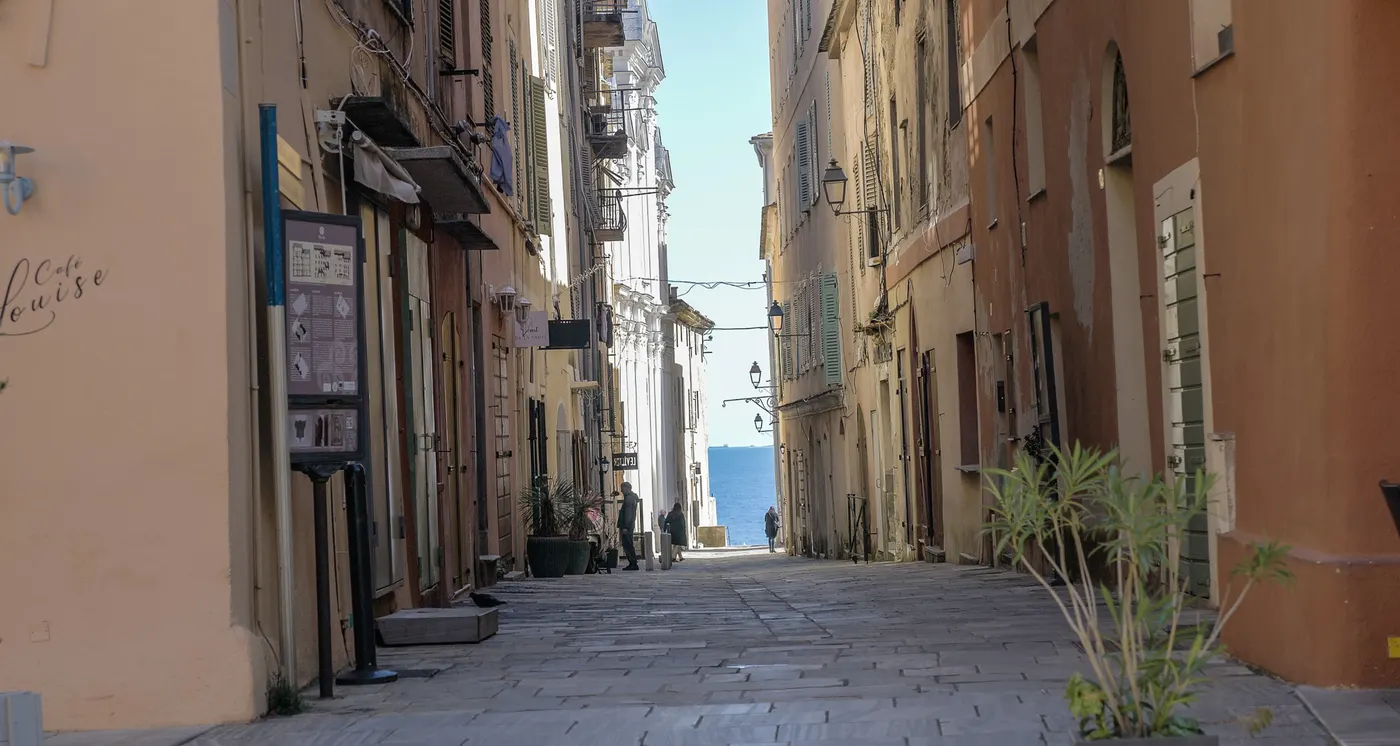
Antoine-Claude Pasquin, known as Valery, in his 1837 travel account. Visiting Bastia, he wrote: “The paving, made of slabs of Brando stone, is a kind of jasper-veined marble superior even to the paving of Milan, Florence and Naples. It would be more worthy of palaces and temples than of streets: the hues of this stone come out after the rain with a singular brilliance. This simple French sub-prefecture is perhaps the finest-paved city in Europe.”
The quarry
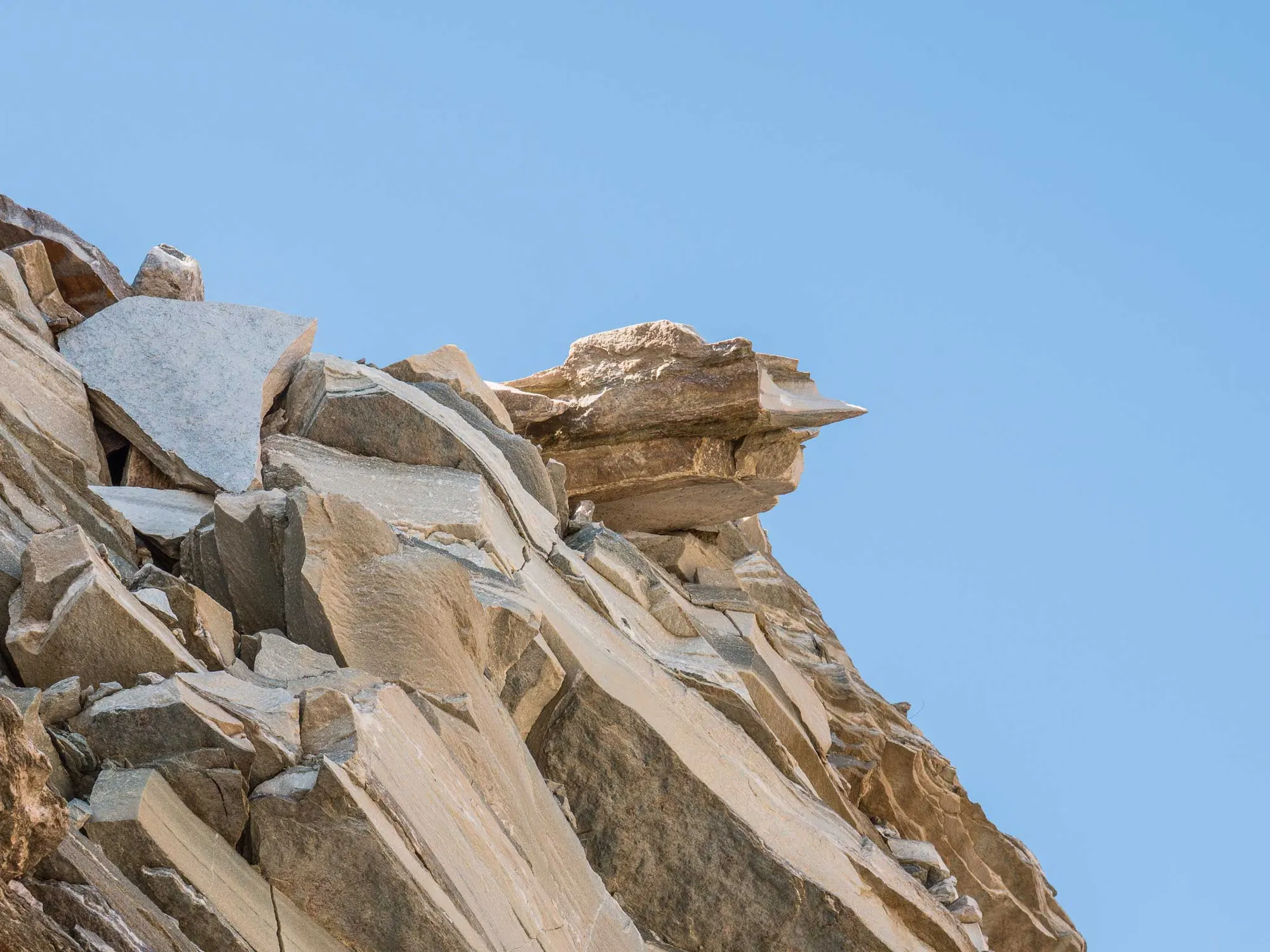
Prized since the 12th century for its exceptional technical qualities and varied hues, Pierre de Brando is used in civil engineering works across Haute-Corse and to adorn its towns and villages.
Quarrying at “Petre Scritte” reached its peak under the Second Empire, as the industry grew with the rise of Bastia and of major cities such as Marseille, Genoa and Livorno, where Pierre de Brando was laid.
After a decline from 1870 and a complete halt in the 1930s, quarrying resumed in the 1970s thanks to the Brignoli brothers, who modernised the sector with the Société de Construction du Cap.
Closed in 2018, the quarry has since been taken over by the Groupe Brandizi, securing the future of this emblematic stone and bringing it back to the market in 2025: a stone cut by time and shaped by people, which tells the story of Corsica through every vein, every glint of light…
The place
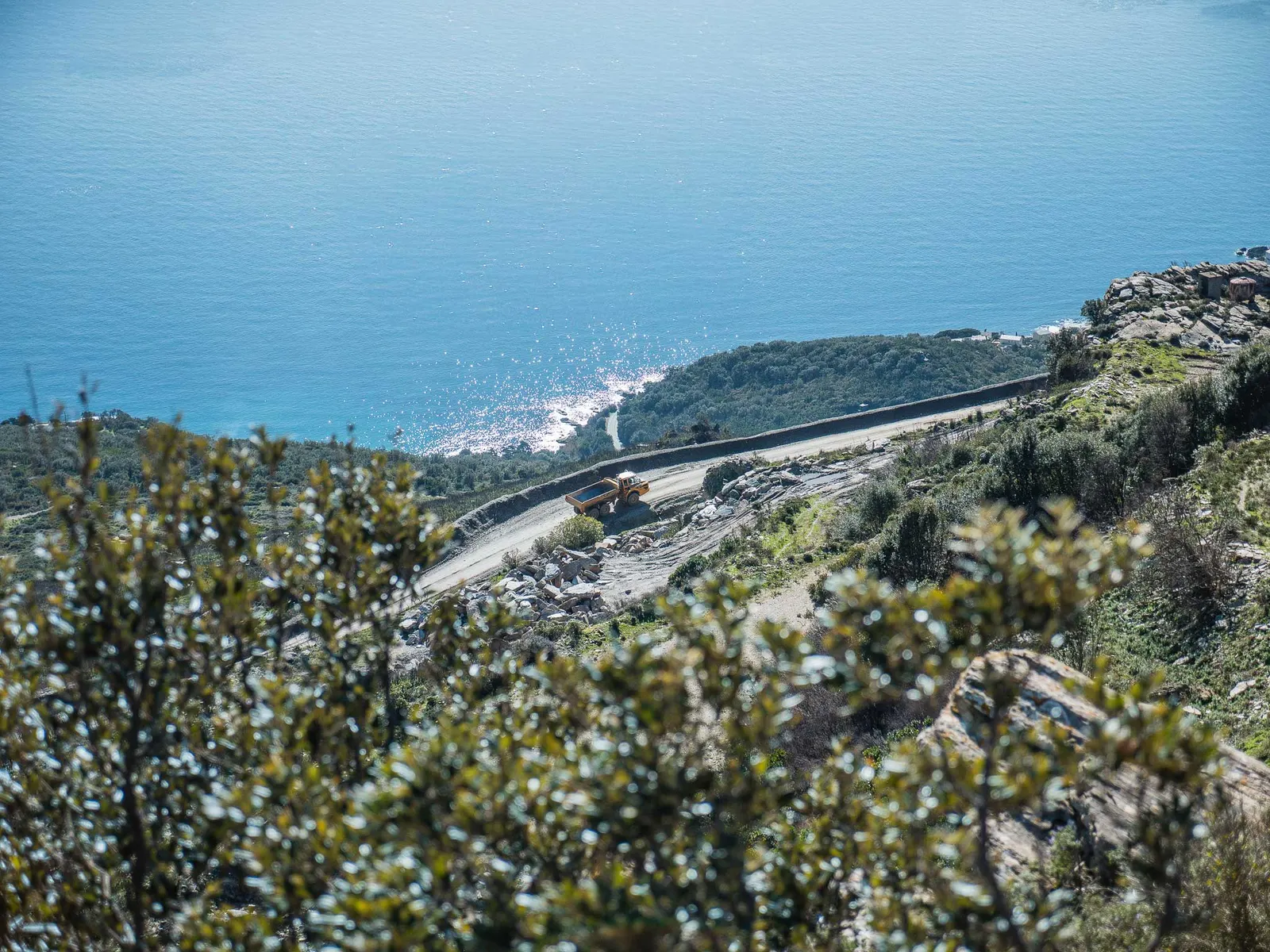
Perched above the Mediterranean, the Brando quarry overlooks a grand landscape where the deep blue of the waves meets the gusts of the sea wind.
Facing the open horizon, it stands like a mineral sanctuary, bathed in light and salt, sculpted by time and by people. Every stone extracted seems to carry the soul of Cap Corse, raw and majestic.
More than a quarry, Brando is a living memory, an open book on Corsican history. Known as “Petre Scritte”, the quarry owes its name to the mysterious engravings on its walls, traces of the 12th century in which the stone itself seems to bear the imprint of time and of the people who shaped it.
01
Exceptional marble. Raw slabs, polished slabs, blocks for cutting.
02
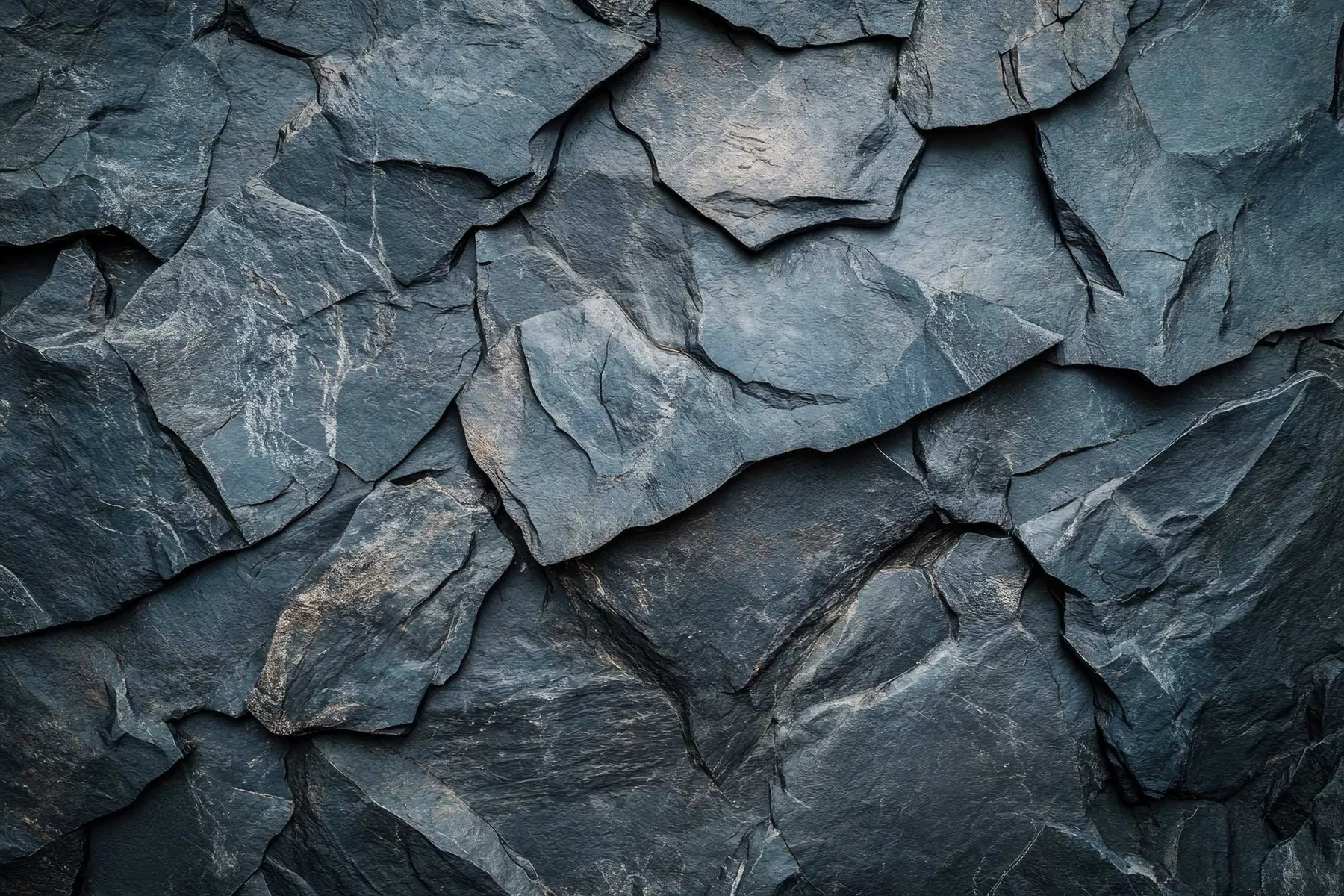
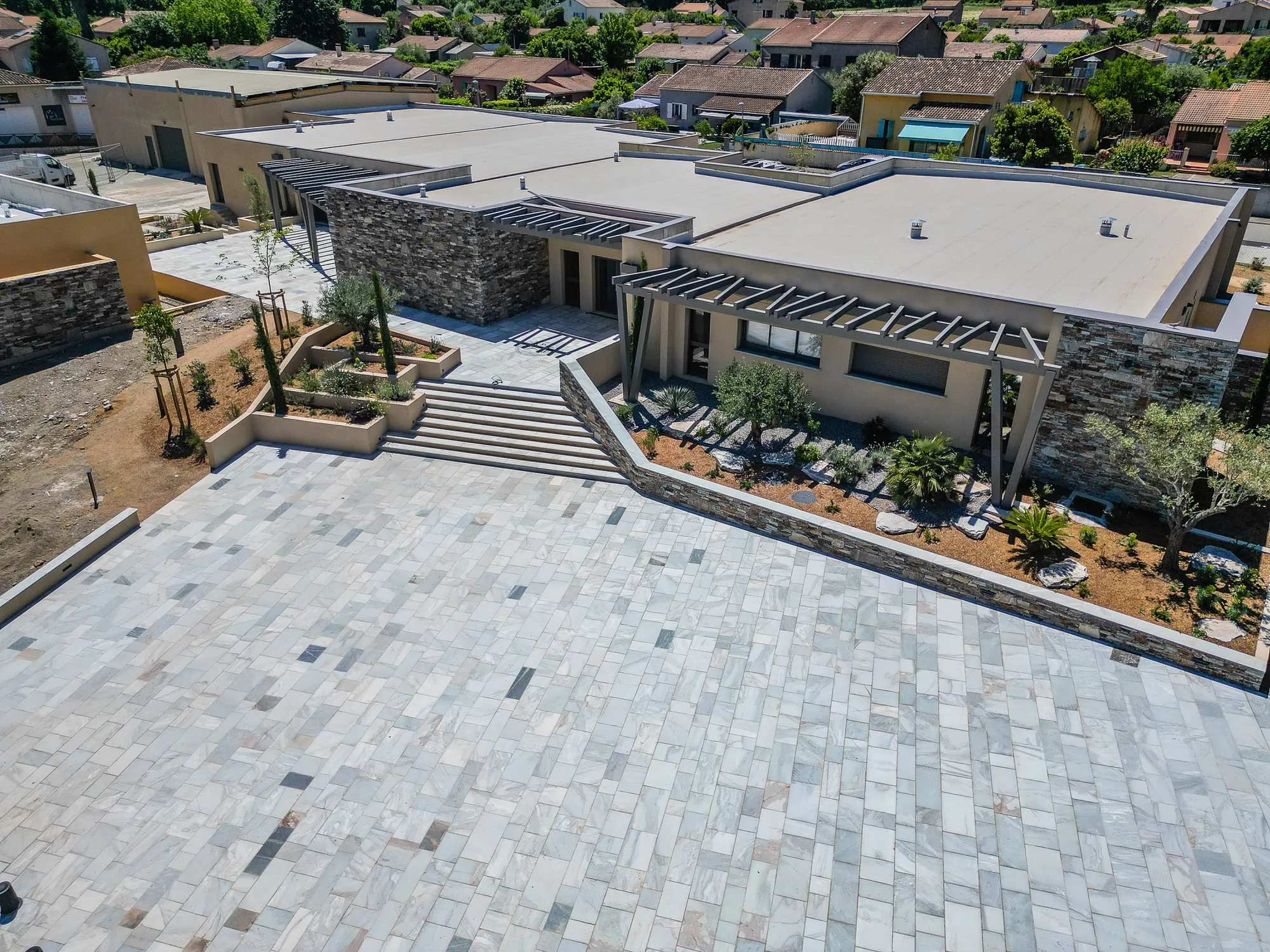
Paving, kerbs, window sills, roof slates, opus incertum, building stone, low walls.
03
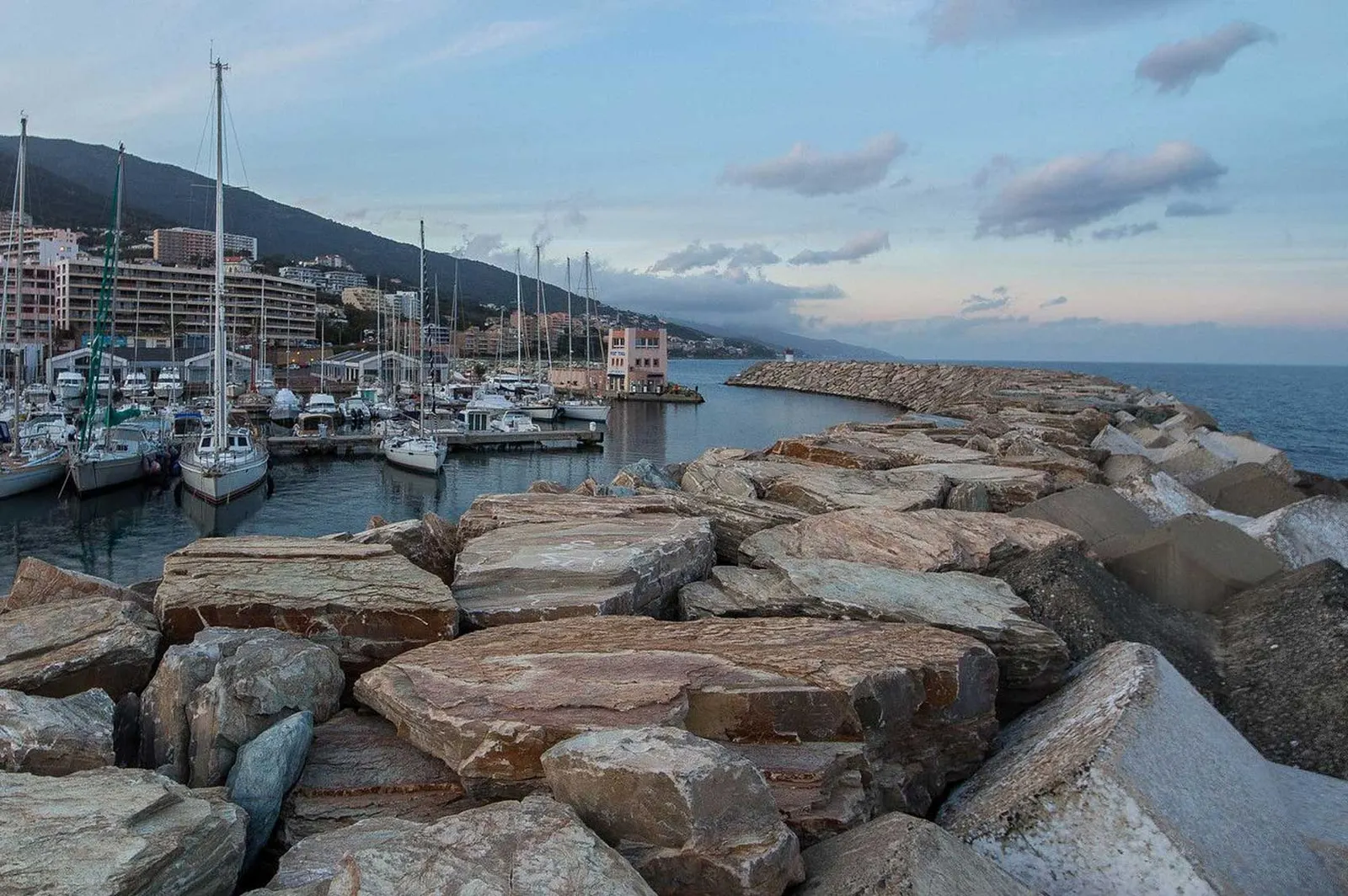
Rock armour and aggregates.
Through
the ages
Pierre de Brando is an exceptional material, used since Roman times for its remarkable properties: non-porous, resistant to frost and salt, slip-resistant and very strong.
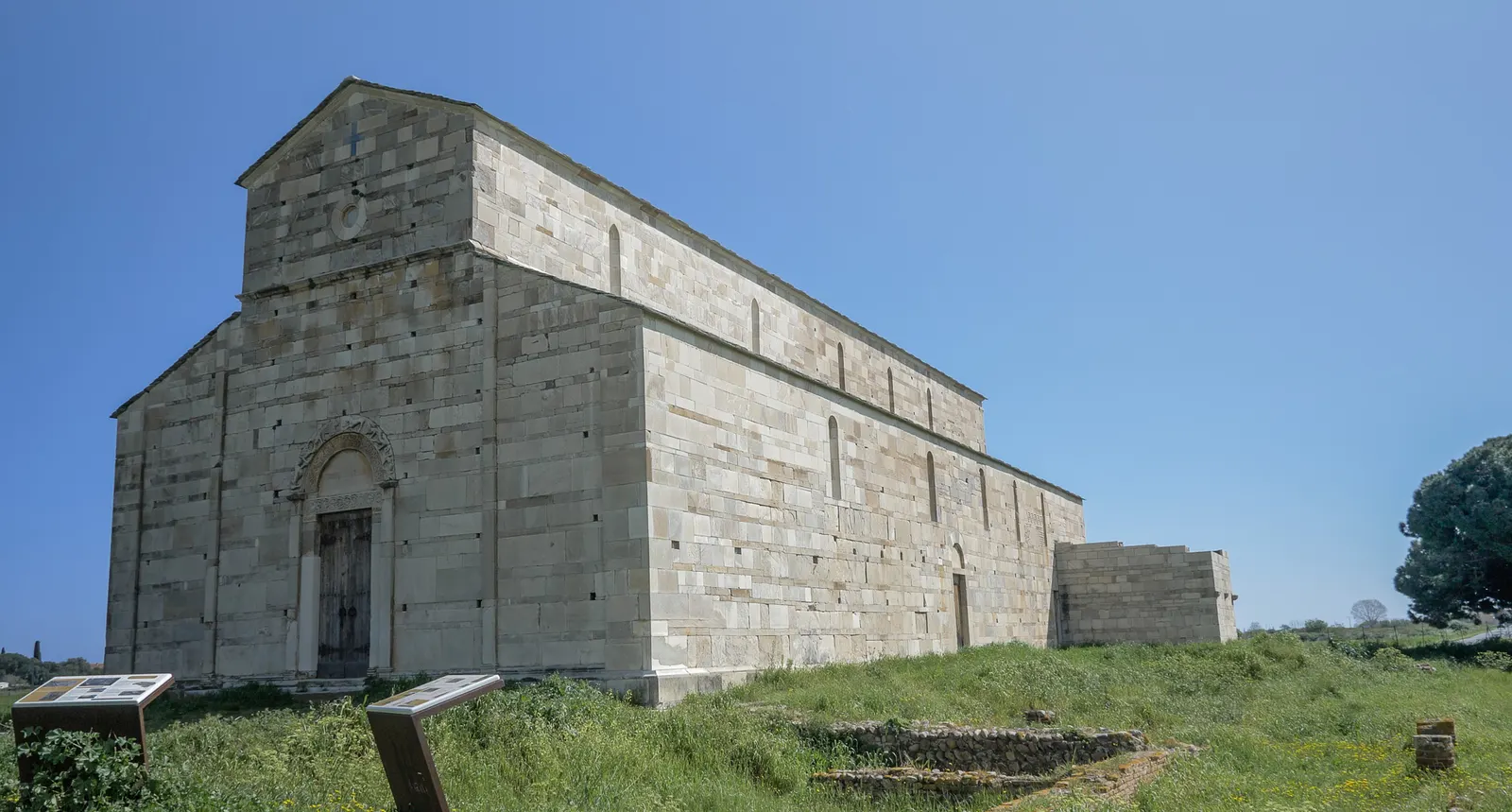
Major works in Pierre de Brando:
The stone, a cipollino, owes its name to its structure of thin layers, like the skins of an onion. Worked in stepped benches in the 18th and 19th centuries, the quarry flourished until the First World War brought its growth to a halt.
In the 1970s, activity resumed thanks to the brothers Jean and Lucien Brignoli, who relaunched production and diversified its uses: roof slates, paving and building stone.